


Distributed Security Dynamics
Ukraine’s integration of AI, mass-produced interceptors, and private sector operators is transforming the air defense landscape, but persistent vulnerabilities and rapid escalation signal a new era of contested security.


AI, Private Sector, and Defense Innovation
- Ukraine’s multi-layered air defense now blends Western technology, domestic innovation, and private sector participation to counter escalating aerial threats.
- AI-enabled Sky Map, cheap interceptors, and civilian-operated defenses have sharply raised interception rates, but critical gaps remain against ballistic missiles and small FPV drones.
- Private companies are increasingly integrated into national defense, accelerating infrastructure protection and signaling a shift in the security model.
- The technological arms race between Ukraine and Russia is intensifying, driving rapid adaptation but leaving enduring risks for civilian safety and infrastructure.
Aerial Assaults and Adaptive Defense
Ukraine is contending with the largest and most sustained aerial assault since the onset of Russia’s full-scale invasion. In a recent 48-hour period, Russian forces launched over 1,500 drones and 56 missiles, testing the resilience and adaptability of Ukraine’s air defense infrastructure. Despite the intensity of these barrages, Ukrainian forces intercepted 94% of long-range drones and 73% of missiles during this window, a marked improvement from the 55% drone interception rate recorded in May 2025.
This operational leap reflects more than tactical agility. It is the product of a multi-layered defense system that has evolved rapidly from reliance on Soviet-era equipment to a hybrid architecture integrating Western-supplied technology, indigenous innovation, and private sector participation. The conflict has become a proving ground for new forms of defense, with both Ukraine and Russia locked in a contest to outpace each other’s technological advances in drone and missile warfare.
At the heart of Ukraine’s evolving defense is the Sky Map system, leveraging artificial intelligence, radars, sensors, and video feeds to track and guide responses to incoming threats. This system, having become more advanced since early reliance on basic networks, is now also deployed by the United States to protect a base in the Middle East. Meanwhile, the scale of drone warfare has continued its dramatic ascent, with Ukraine’s air force claiming the destruction of over 30,000 Russian drones in March 2025 alone.
Innovation Under Pressure: Drivers of Change
The transformation of Ukraine’s air defense is rooted in necessity and resource constraints. Initial reliance on aging Soviet-era systems left critical vulnerabilities, prompting a shift toward a layered defense architecture. Western support has provided advanced, but costly, missile systems such as the Patriot, yet these remain in short supply due to competing global conflicts and production bottlenecks.
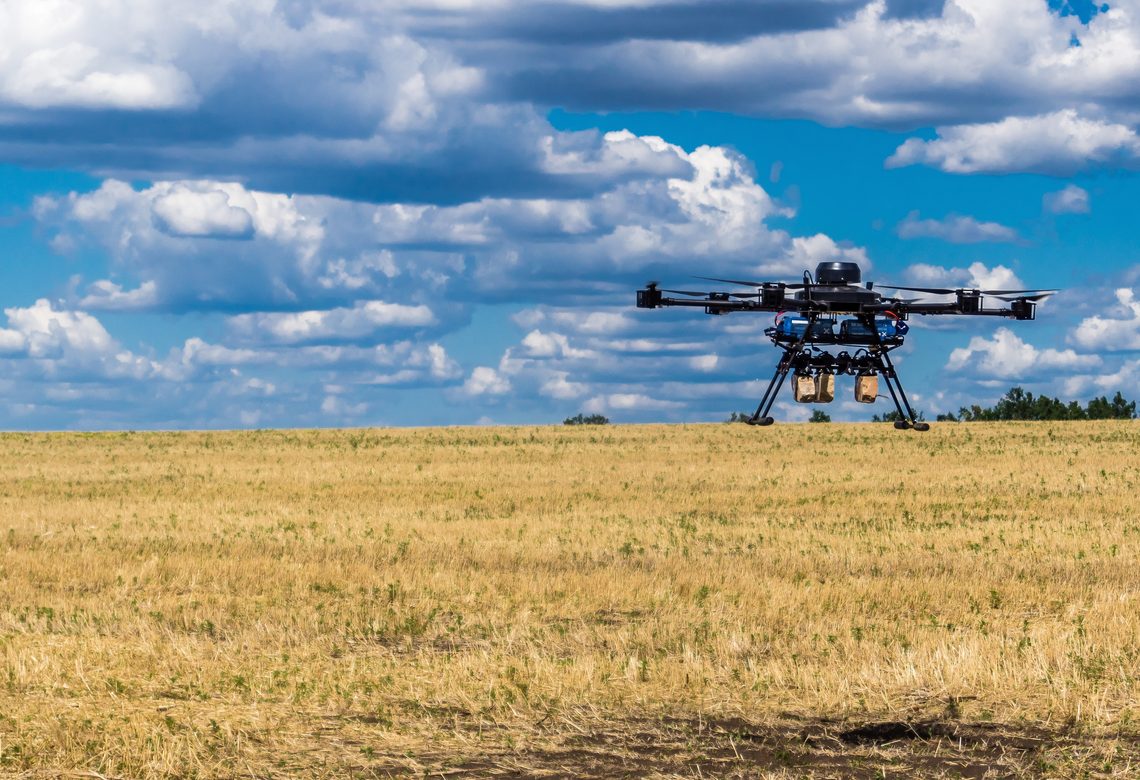
In response, Ukraine has prioritized scalable, cost-effective solutions. The mass production of cheap interceptor drones—now exceeding 1,000 units daily—has become central to the country’s defense strategy. These interceptors, costing around $1,000 each, are designed to neutralize Russian Shahed drones that are fifty times more expensive. The use of 3D printing and rapid prototyping has enabled Ukraine to adapt quickly to shifting threats and operational demands.
- The Sky Map system’s integration of AI and distributed sensors has enhanced detection and targeting, reducing response times and increasing interception rates.
- Private sector engagement has accelerated, with twenty-five companies now participating in air defense initiatives, motivated by the need to protect critical infrastructure and maintain operational continuity.
- Civilian operators, vetted and trained, now control remote machine gun towers in frontline regions, further expanding the distributed defense network.
These drivers reflect a broader shift: the boundaries between state and private security provision are being redefined, and the imperative for rapid adaptation is reshaping institutional and technological norms.
As air defense adapts at unprecedented speed, the boundaries between military, civilian, and commercial roles are being fundamentally redrawn.
Redefining Security: Institutional and Operational Impacts
Ukraine’s evolving air defense model is setting new precedents for the integration of military, civilian, and commercial actors in national security. The sharp rise in interception rates demonstrates institutional learning and adaptive capacity, but the approach also exposes persistent vulnerabilities. Notably, the shortage of advanced missile interceptors—especially US-made Patriot systems—limits Ukraine’s ability to counter ballistic missile threats, leaving gaps in the protective shield over major cities and infrastructure.
The diffusion of military-grade technology into civilian and private domains is accelerating. Private companies now play a direct role in infrastructure protection, supplementing state capacity and enabling more rapid scaling of defensive measures. This distributed model offers flexibility and resilience, but also introduces new challenges in command integration, training standards, and operational security.
- Small first-person-view (FPV) drones remain a significant threat, causing most casualties near the front line despite technical advances elsewhere.
- Russia’s adaptation, including the deployment of faster jet-powered drones and decoy tactics, underscores the ongoing cycle of escalation and countermeasures.
These developments are likely to influence defense strategies and procurement models beyond Ukraine, as other states and non-state actors observe and adapt to the evolving interplay of technology, organization, and conflict.
Momentum and Watchpoints: The Road Ahead
The trajectory of Ukraine’s air defense points to continued escalation in the contest between innovation and countermeasure. Both Ukraine and Russia are investing in faster, more sophisticated drones and interception technologies, driving a cycle of adaptation that is unlikely to abate in the near term. The integration of private sector actors into national defense is poised to deepen, potentially setting new standards for distributed security in conflict zones.
Key watchpoints include:
- Whether Ukraine can secure additional advanced missile interceptors to address persistent gaps against ballistic missiles and massed attacks.
- The operational integration of civilian and private sector operators, including the effectiveness of training, command structures, and information security.
- The evolution of Russian tactics, particularly the use of decoy drones and jet-powered systems, which may test the limits of current detection and interception capabilities.
Absent a breakthrough in interceptor supply or a shift in the scale of Russian attacks, Ukraine’s air defense will remain under strain, with civilian safety and infrastructure resilience as ongoing pressure points. The broader diffusion of these defense models will be shaped by how effectively Ukraine manages these structural challenges.
Adaptive Resilience Amid Enduring Strain
Ukraine’s rapid integration of AI-driven systems, mass-produced interceptors, and private sector participation is reshaping the operational and institutional landscape of air defense. This adaptive resilience has raised the bar for interception rates and distributed response, but persistent vulnerabilities—especially in countering ballistic missiles and small FPV drones—underscore the limits of technological innovation in the face of massed, evolving threats.
The conflict’s technological arms race is redefining expectations for security provision, blurring the lines between military, civilian, and commercial roles. As Ukraine’s model is observed and potentially emulated elsewhere, the balance between flexibility, integration, and enduring risk will remain a central signal for the future of contested airspace.


